
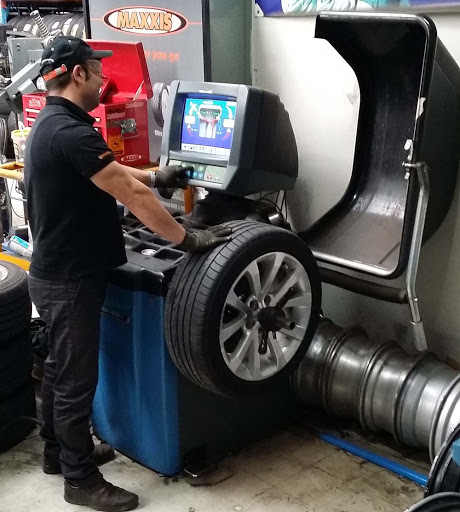
Tires look perfectly round and symmetrical when they are new, but they actually have minute imperfections in both shape and weight distribution. In many cases, the tread can be as much as one-eighth of an inch thicker on one side than the other. As tire treads wear down, this mass distribution imbalance can become even more pronounced. Tires are initially balanced when they are mounted on your vehicle, but periodic re-balancing is necessary.
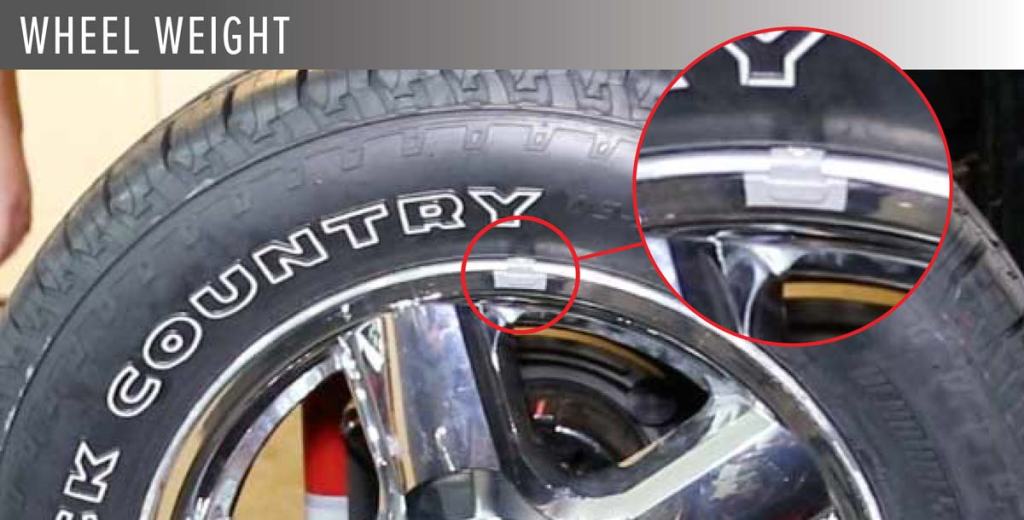
New tires have small metal attachments, usually three of them, clamped to the rim. These are placed by the installer at strategic locations to balance out any imperfections in the tire’s mass distribution. The tire is mounted on a spinning machine to check for vibration. The small plates are moved along the perimeter of the rim until the spin is steady. As tires become worn down and the tread becomes uneven, the vehicle may begin to vibrate, especially at speeds in excess of 50 mph. This is the most common sign of tire imbalance. Balancing the tires is inexpensive and should be performed immediately if one or more of the metal weights has moved or has fallen off.Proper maintenance of your Ford vehicle’s tires and wheels ensures longer tire life and safer driving for you.
Signs that you need a tyre/wheel balancing
Uneven tire wear and vibration in your steering wheel, floorboard, or seat can signal it’s time for tire balancing. You may also want to have your tires balanced during a tire rotation, after a flat tire repair, or as part of your scheduled maintenance.
Interestingly, the part of your car that trembles can indicate whether the front or back wheels need balancing. If it’s in the steering wheel, it’s likely your front tires. If it’s in the seats, the imbalance is in the back wheels.
Tires can become out of balance because of uneven tire wear or the loss of a wheel weight because a rim hits a curb or pothole. If you leave your car parked for extended periods without moving it, the tires might develop flat spots that cause imbalances.
 Tireclopedia
Leave a comment