
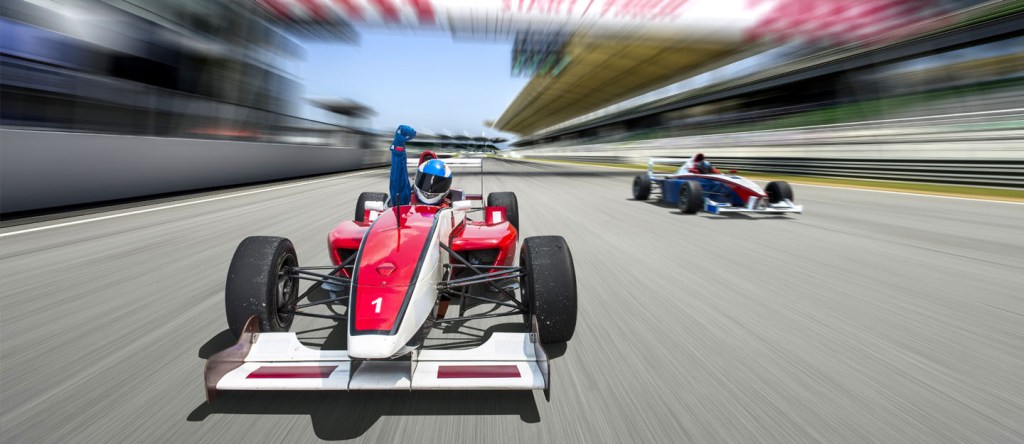
Maintaining the proper tire pressure is crucial for the safety and performance of any vehicle, especially when it comes to driving on a race track. The tire pressure can be affected by various factors, such as ambient temperature, asphalt temperature, brake temperature, driving style, and the layout and surface of the racetrack.
One of the primary factors affecting tire pressure is ambient temperature. As the temperature drops, the tire pressure decreases, and as the temperature rises, the tire pressure increases. Therefore, it is essential to record the ambient temperature and document it if necessary.
The asphalt temperature also affects the tire inflation pressure. If the asphalt temperature is higher than the ambient temperature, the tire pressure increases disproportionately during driving, and if the asphalt temperature is lower than the ambient temperature, the tire pressure increases disproportionately during driving.
Brake temperature also has a considerable influence on the tire pressure. The temperature of the brake discs affects the rim temperature, which in turn affects the air temperature inside the tire.
Driving style is another crucial factor affecting tire temperature. Aggressive driving or long fast curves put more stress on the tire and can affect the tire temperature, especially the tread temperature.
The layout and surface of the racetrack can significantly impact tire pressure. Long fast curves put more stress on the tire and the tread, and aggressive rough surfaces put more strain on the running surface than smooth surfaces. Furthermore, the surface temperature of a tire can differ considerably from the temperature inside the tread, which can affect the overall grip of the tire.
It is important to note that cold and hot tire pressures differ. Before driving on a racetrack, always set the cold pressures recommended by the vehicle manufacturer for your specific vehicle. Bring your vehicle, brakes, and tires to operating temperature before measuring the hot pressure at the next stop and document the measured values.
Finally, always bring your tires up to operating temperature before applying maximum load to the tires when driving on a racetrack. Never drive on public roads with too low tire pressures and increase your cold inflation pressures to the recommended values of the vehicle manufacturer after racetrack rides.
In conclusion, maintaining proper tire pressure is critical for the safety and performance of your vehicle, especially when driving on a racetrack. By understanding the various factors affecting tire pressure, you can take the necessary precautions and ensure that your vehicle performs at its best.
 Tireclopedia
Leave a comment