
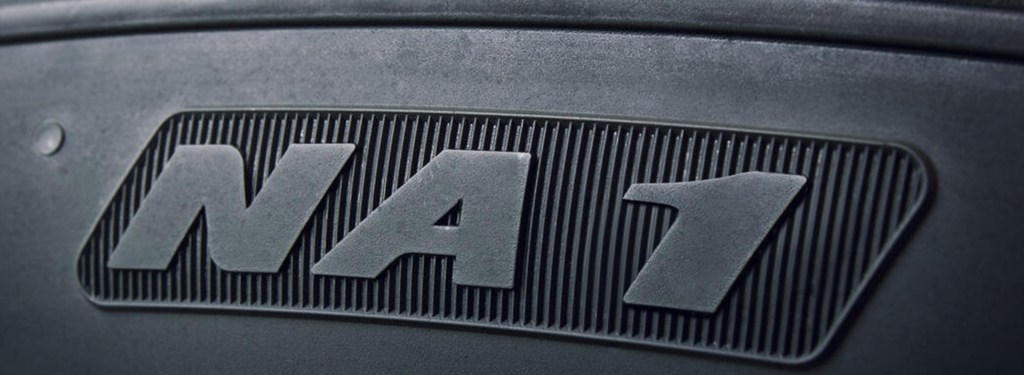
If you’re a proud owner of a Porsche, you’re undoubtedly aware of the relentless pursuit of performance excellence that defines the brand. One integral component of your Porsche’s performance lies in the tires it rides on. Porsche, in collaboration with top tire manufacturers like Michelin, Pirelli, Continental, Bridgestone, and others, has meticulously crafted N Specification tires. These tires are engineered to meet the rigorous standards set by Porsche, ensuring an unparalleled driving experience.
Design and Testing: Where Performance Meets Precision
Porsche’s commitment to performance excellence starts from the design phase itself. Tires are seamlessly integrated into the vehicle development process, undergoing laboratory tests, road tests, and race track evaluations. Only when prototype tires pass Porsche’s stringent criteria for noise, hydroplaning, handling, and high-speed durability are they deemed fit for production.
The N-specification branding, denoted as N-0, N-1, N-2, N-3, N-4, N-5, or N-6, indicates the tire’s approval level by Porsche’s engineering department. The evolution of the tire design is reflected in the successive numbering, with N-0 representing the initial approved version.
Mixing N-Spec Tires: A Precise Match for Optimal Performance
Maintaining the performance integrity of your Porsche involves using only approved tire types. Tires on the same axle should have the same manufacturer and specification code (e.g., “N0,” “N1”). Replacement should be done in pairs, ensuring the use of tires with the same make, type, and N-specification. Porsche’s adherence to precision extends to considering the internal construction and tread compound, ensuring that only genuine N-specification tires bear the coveted branding.
Replacing N-Spec Tires: A Continuation of Performance
In cases where original N-specification tires are discontinued, replacing all four tires with a higher numeric N-specification design is recommended. Safety is paramount, and replacing a single tire due to damage mandates assessing the wear on the remaining matching tire. If it exceeds 30 percent wear, both tires on the axle should be replaced, preventing handling inconsistencies.
Break-in of New Tires: Patience for Peak Performance
New tires require a break-in period for optimal traction. Drivers are advised to moderate their speeds during the first 60-100 miles (100-200km). If new tires are installed on only one axle, a temporary handling difference may occur, especially if replacing rear tires. This discrepancy diminishes as the tires break in, and drivers should adjust their driving style accordingly.
Tire Aging: A Critical Factor for Safety
Despite the elite status of Porsche-approved tires, all tires, over time, wear out or age. Rubber loses its elasticity, becoming brittle and prone to cracking. Given the performance capabilities of a Porsche, tires older than 6 years should not be used. Porsche centers can guide you to the latest replacement tire options, ensuring your vehicle’s safety and performance.
How is a Tire Selected for a Porsche?
Porsche’s tire selection is a carefully considered process, tailored to the specific model and its intended use. Whether it’s the high-performance sports cars like the 997, 996, Boxster, and Cayman S or the sport utility vehicle Cayenne, Porsche collaborates with top tire manufacturers to provide a perfect balance of performance and utility. From Maximum Ultra High Performance Summer tires for sports cars to All-Terrain tires for the Cayenne, each tire is chosen to complement the unique capabilities of your Porsche.
In conclusion, when it comes to your Porsche’s tires, precision, performance, and safety are non-negotiable. Choose N-specification tires from Porsche Spokane, and elevate your driving experience to new heights.
 Tireclopedia
Leave a comment