
General
-
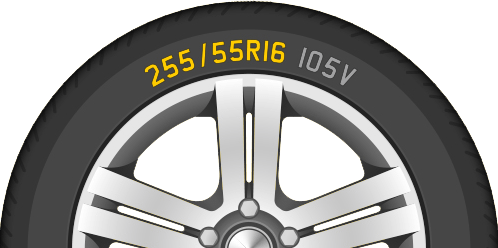
Tire manufacturers have a number of labeling conventions. In this article we will discuss the manufacturer labeling conventions for tire size. All tires sold in the United States must meet the size standards for bead shape, width, diameter and other parameters that are agreed upon by the Tire and Rim Association and the European Tire…
-

The main difference between radial and bias ply tyres is in the belt construction. The cord materials too are different, leading to changes in the functional performance of the tyres. Radial Tyres:In radial tyres the steel belts run at a 90-degree angle with the tread line. It allows the sidewall and the tread of the…
-
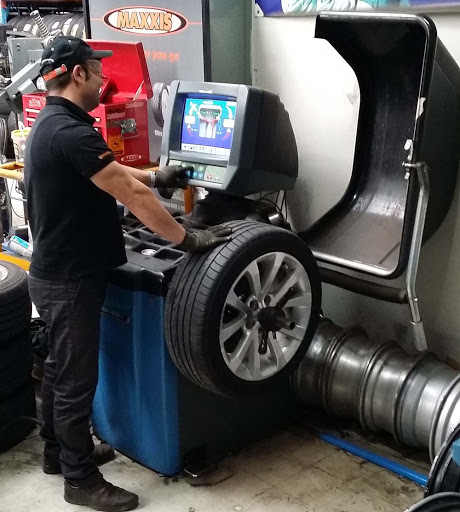
Tires look perfectly round and symmetrical when they are new, but they actually have minute imperfections in both shape and weight distribution. In many cases, the tread can be as much as one-eighth of an inch thicker on one side than the other. As tire treads wear down, this mass distribution imbalance can become even…
-
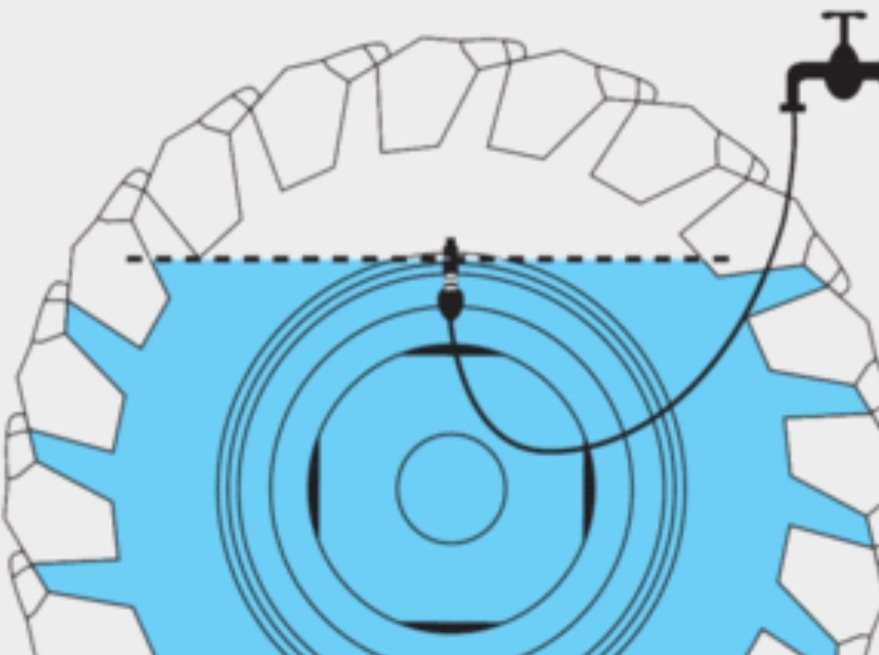
Ballasting is a process in which water (or a liquid) is taken in or out. Tractor tires are typically ballasted with water or with other liquids to improve the functional parameters such as traction.Ballasting is an economical way to increase the traction and ultimately the drawbar pull of a given tractor. Less slippage at the…
 Tireclopedia