
Ballasting is a process in which water (or a liquid) is taken in or out. Tractor tires are typically ballasted with water or with other liquids to improve the functional parameters such as traction.
Ballasting is an economical way to increase the traction and ultimately the drawbar pull of a given tractor. Less slippage at the rear wheels saves on fuel and the same tractor could pull larger, heavier, implements.
Liquid tire ballasting does what a no-clamp-on, hung or attached metal weight would do – it places the liquid ballast at the lowest center of gravity on the tractor. As the tractor is driven, the weight from the ballast liquid is maintained at the bottom of the tire under all circumstances. The operator will notice a marked improvement in the solid feeling handling characteristics of the tractor. There is more weight to the tractor and so it has more inertia when moving and is more likely to absorb some of the bumps.
There are all different liquid agents, such as water, beet juice, antifreeze or calcium chloride – each with their own advantages and disadvantages. If it does not get below zero where you live, then you can probably get away with a simple water ballast.
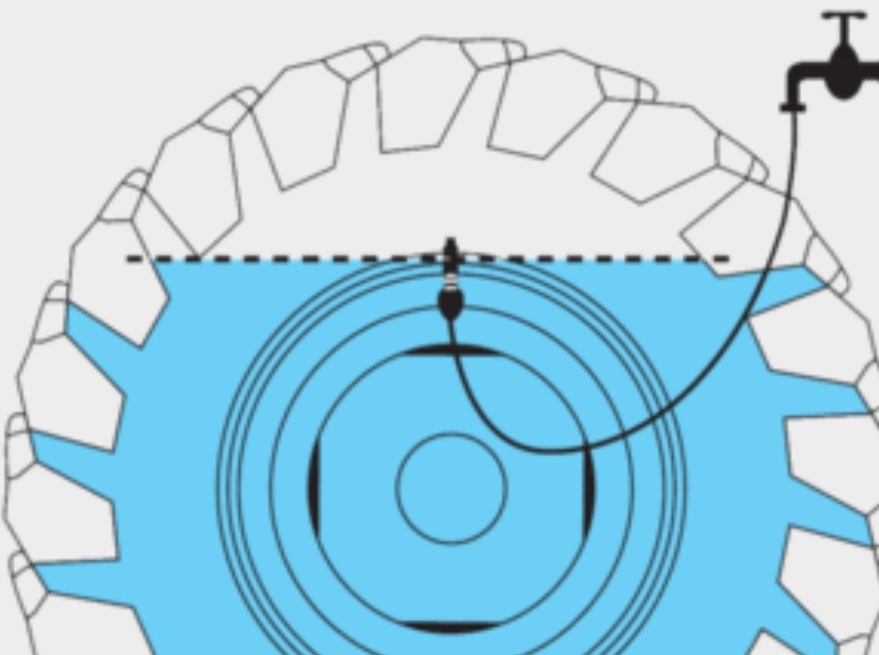
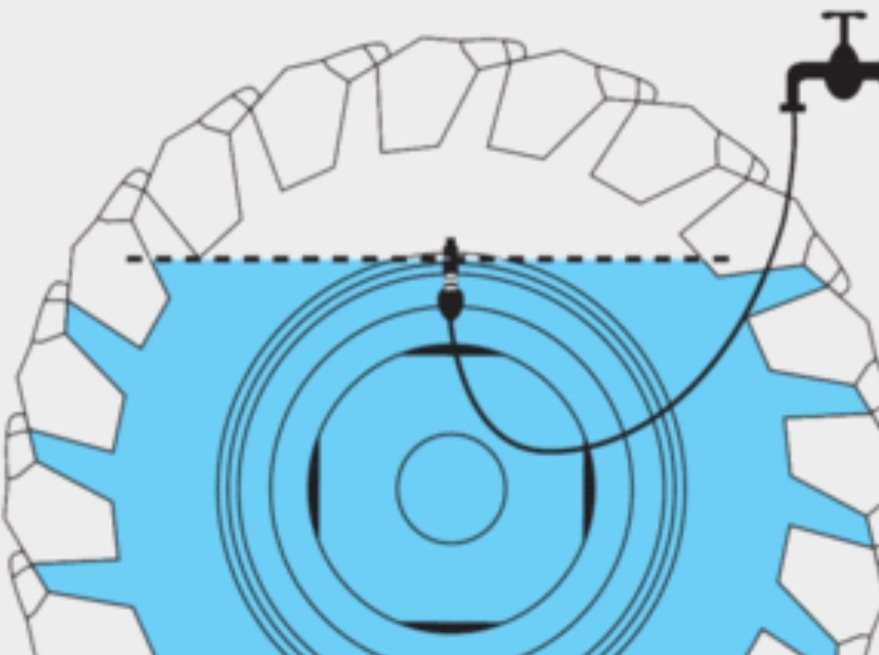
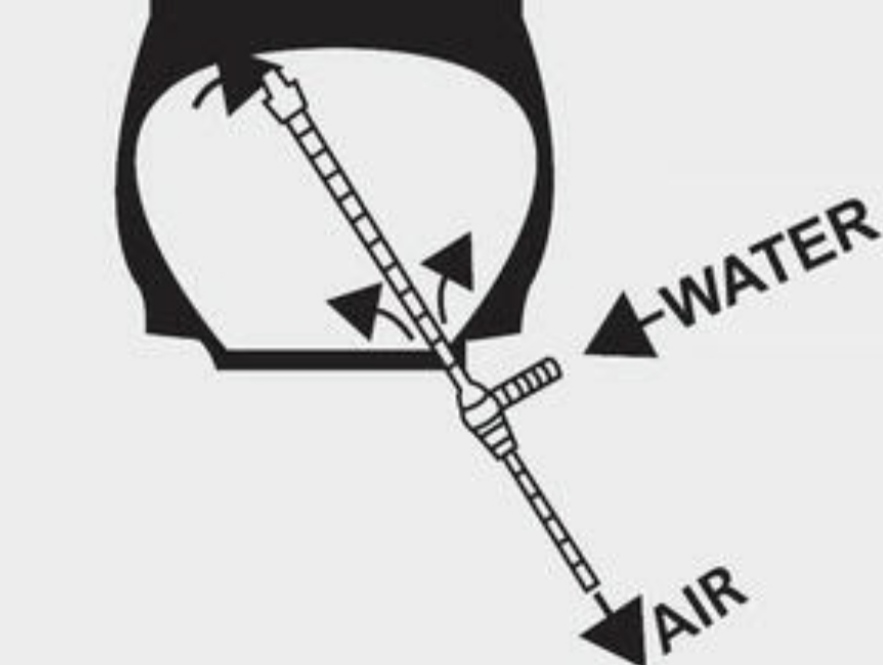
Agricultural tire valves are of the “air and water type”. Therefore, filling up to a maximum of 75 % maximum (diagram 1), with liquid (water + antifreeze) is possible (volume indicated on the product data sheet size page).
In winter, as temperatures may fall below zero, a Glycol-based antifreeze product should be used.With the valve at the top, fill the inner tube or Tubeless tire up to the height of the valve, at the same time allowing the air to escape (Diagram 2).
Inflation and pressure are adjusted to the air.
Since the volume of air responsible for pressure is low (around 25% of the volume), regular monitoring of the pressure is essential. A monthly check is recommended.
 Tireclopedia
Leave a comment